
The legalization of cannabis in New York City represents more than a shift in public policy—it reflects a broader movement toward economic opportunity, criminal justice reform, and consumer safety. For decades, cannabis prohibition disproportionately impacted communities of color, contributing to incarceration, economic instability, and long-term barriers to employment and entrepreneurship. Today, the legal cannabis industry presents an opportunity not only to generate revenue and regulate consumption, but to address the social damage left behind by prohibition.
New York’s regulated cannabis market was designed with this history in mind. Beyond tax revenue and commercial growth, legalization has opened conversations around reparative justice for individuals and families affected by cannabis-related arrests and incarceration. Thousands of New Yorkers carried criminal records tied to low-level cannabis offenses that limited housing opportunities, education access, and career mobility. Legalization, record expungement efforts, and social equity programs signal a recognition that communities most harmed by past enforcement deserve meaningful participation in the industry now emerging.
The economic benefits to New York City are substantial. Legal cannabis generates tax revenue that can support public programs, creates employment opportunities, and redirects consumers away from unregulated markets. Licensed dispensaries provide transparent purchasing environments where products are tested for potency, contaminants, pesticides, and harmful additives—an important safeguard in an era where consumer health and accountability matter more than ever.
Safety remains one of the strongest arguments for regulated cannabis access.
Licensed dispensaries provide consumers with information that street-level transactions often cannot: accurate dosage, lab testing, product sourcing, and compliance standards designed to protect public health. Rather than forcing consumers into uncertain environments, legalization creates a framework where adults can make informed decisions while supporting businesses operating under state oversight.
For entrepreneurs who have experienced the consequences of prohibition firsthand, legalization carries deeper meaning.
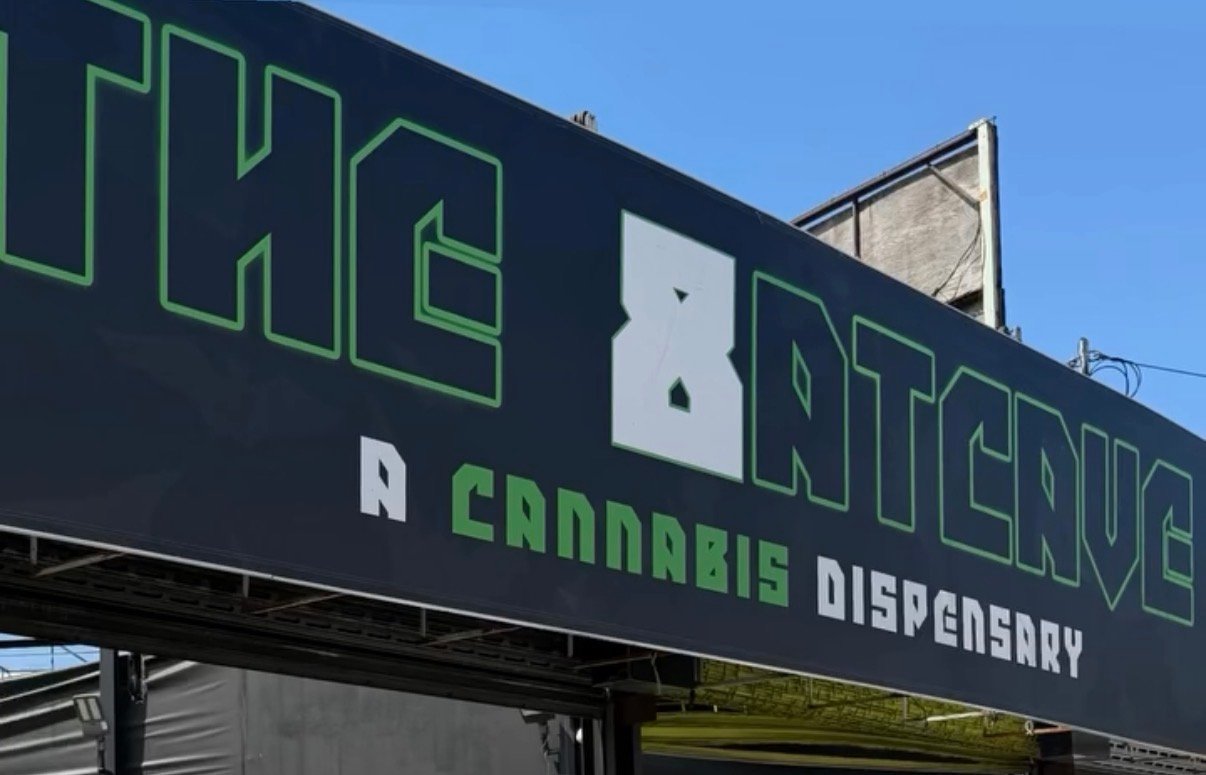
Among those entering the industry is 8rooklyn 8atman, who describes himself as a former victim of cannabis criminalization and now a participant in New York’s evolving legal market. Through The 8atcave Dispensary, the vision extends beyond retail cannabis sales and toward broader community investment.
Located with a focus on East New York, Brooklyn—a neighborhood long challenged by economic hardship and cycles of crime—The 8atcave Dispensary positions itself as both a business and a community development initiative. The goal is not merely to operate a storefront, but to create pathways toward employment, entrepreneurship, and economic circulation within the local area.
Job creation is central to that mission.
The legal cannabis industry provides opportunities ranging from retail and security to logistics, education, marketing, and management. For neighborhoods historically underserved by mainstream investment, these businesses can function as anchors of localized economic growth.
Yet The 8atcave concept introduces an additional entrepreneurial dimension.
Recognizing that not everyone can work traditional retail hours or hold in-store positions, the dispensary reportedly plans to implement a membership-based referral model designed to broaden participation. Under this system, community members who sign up customers for dispensary memberships may receive five percent of the monthly profit generated through the purchasing activity of those referred members.
The idea reflects a modern approach to grassroots commerce—blending cannabis retail with community-based affiliate entrepreneurship.
Supporters argue that programs like this encourage local ownership and economic inclusion, particularly among individuals seeking flexible income opportunities or alternative pathways into business participation. Rather than limiting economic benefits to investors or staff alone, the model attempts to distribute opportunity outward into the surrounding community.
The approach also reflects a broader cultural shift surrounding cannabis itself.
Legalization is increasingly less about the plant alone and more about ownership, wealth creation, public health, and social repair. The conversation now includes who profits, who participates, and whether communities historically targeted during prohibition are positioned to benefit during legalization.
For East New York and neighborhoods like it, those questions carry real significance.
The success of dispensaries such as The 8atcave will likely be measured not solely by revenue, but by their ability to create jobs, provide safe access, and foster local economic participation. In that sense, cannabis legalization becomes more than policy—it becomes an opportunity to reshape narratives that have long been tied to punishment and replace them with ones connected to ownership and growth.
As New York’s cannabis industry continues to mature, businesses rooted in community impact may play a defining role in determining whether legalization fulfills its promise.
For entrepreneurs like 8rooklyn 8atman, the mission appears clear: transform a history once marked by criminalization into a future centered on empowerment, safety, and economic possibility.
